DIY projects the whole family can enjoy! These activities are designed to help you improve wildlife habitat and enhance natural resources right in your own backyard.
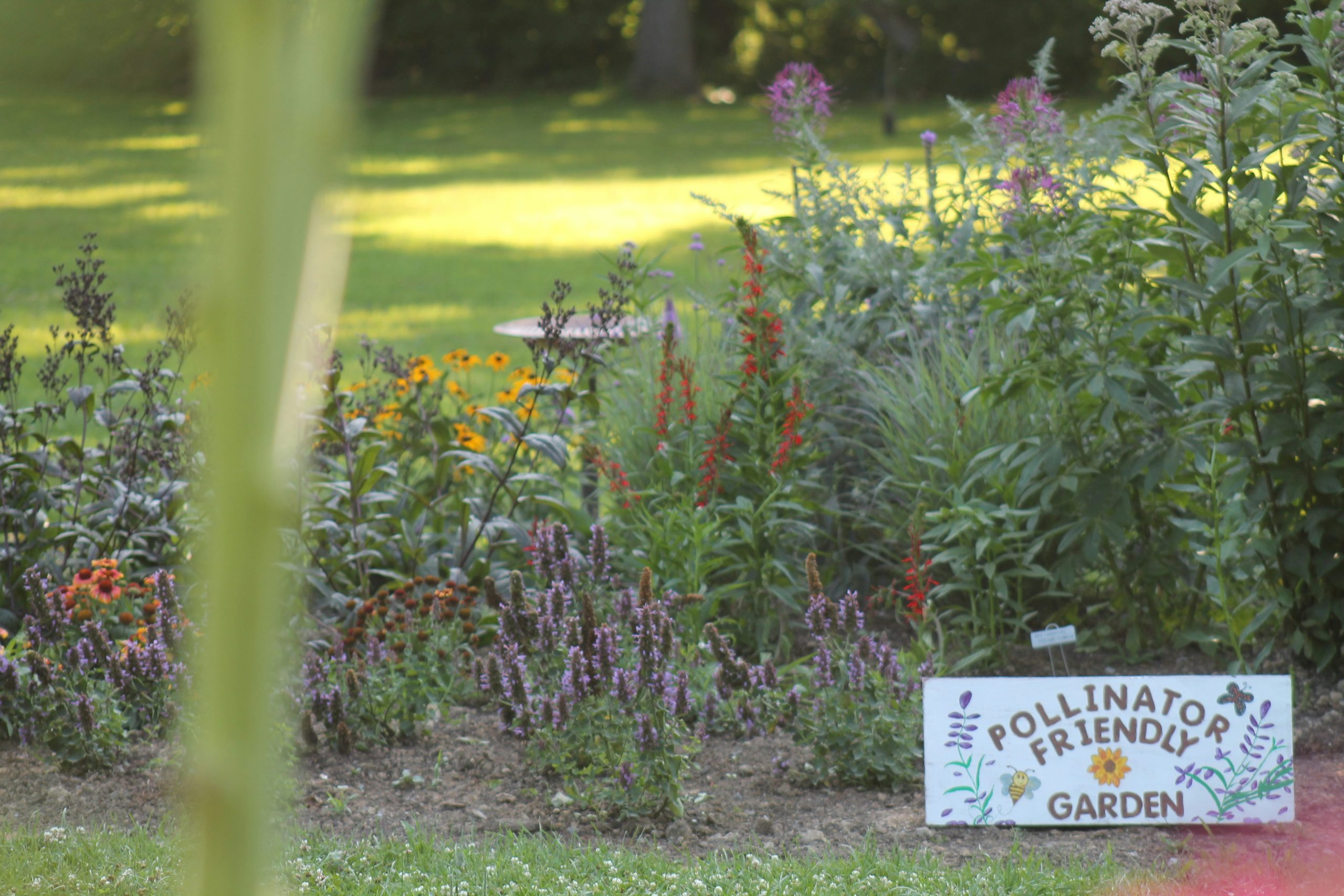
Planning Your Perfect Pollinator Garden
Plant It and They Will Come
We have made your garden choices easier! By matching each winged beauty with the native plants that it is attracted to, you can be confident that your garden will be a source of enjoyment all season long.
Cultivars and exotics may be quite pretty but are mostly ignored by butterflies, who long ago forged a symbiotic relationship with specific plants.
Whether creating a new garden or just supplementing an existing one, this chart will provide valuable planning information.
Note that foods are divided into trees, bushes, flowers, edibles, and ground cover. The size and location of your garden will be factors in your selection. Talk with your local nursery about plant sizes, soil conditions, sunlight, and moisture to determine what is right for you. Please note that not every part of every edible listed is safe for human consumption. Always check with a reliable source before eating anything you are unfamiliar with.
Don’t forget the caterpillars! A successful garden relies upon those icky little worms. Be sure to provide plenty of those host plants for Mom to lay her eggs.
Click HERE to find out which plants attract which butterflies and/or caterpillars.
ON BEHALF OF THE POLLINATORS, WE THANK YOU.
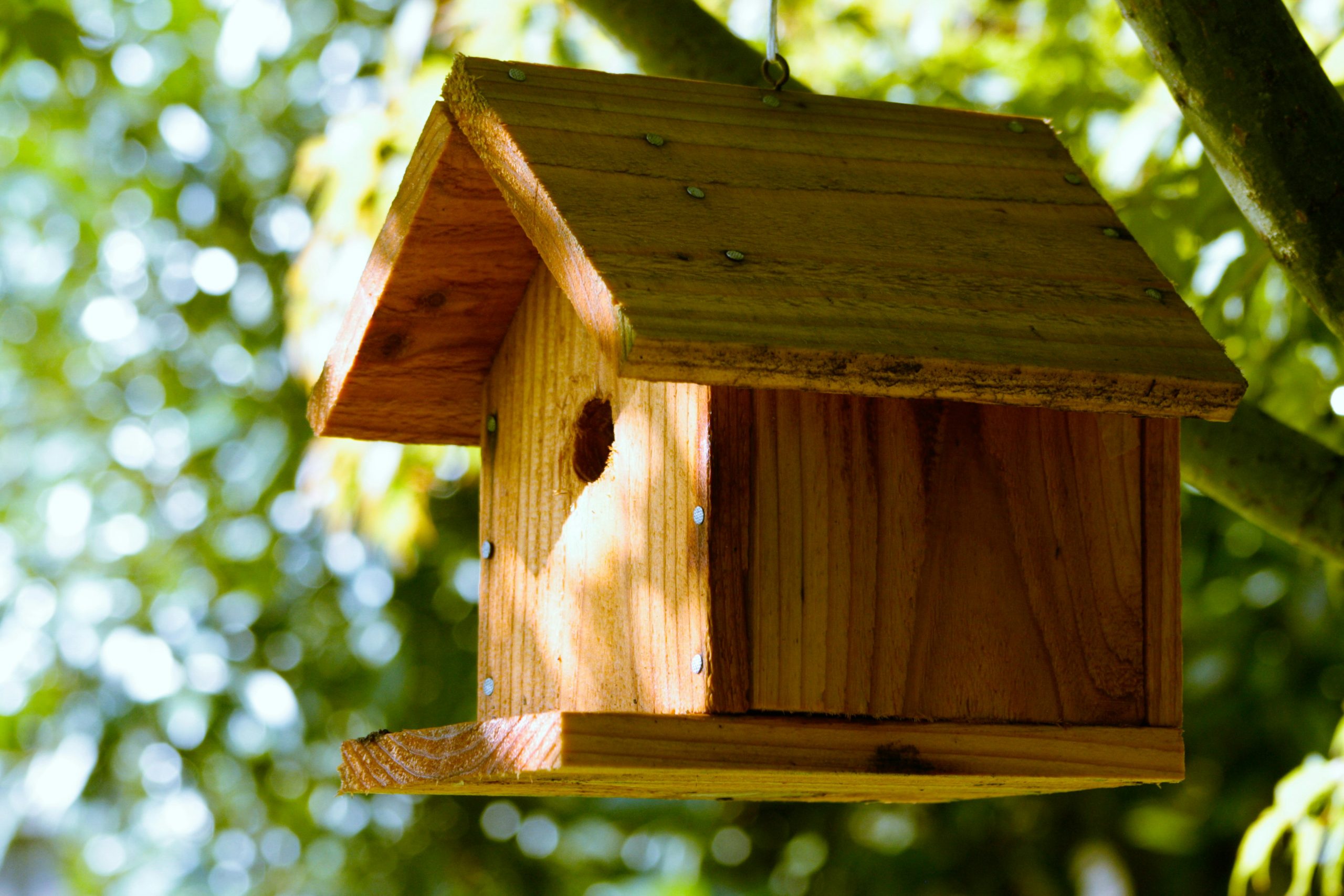
Build a Birdhouse
Build It and They Will Come
Bird Houses are often called nesting boxes because they provide a safe place for birds to build their nests, protected from the elements and predators. In the winter, they give visiting birds a place to snuggle together for warmth away from the cold air.
Click HERE to learn more about the “Nesting Habitat and Birdhouse Requirements” to determine the type and size of birdhouse appropriate for your area. Then click on the links below to pull up detailed instructions.
Barred Owl
Bat House
Brown Headed Nuthatch
Eastern Bluebird
Great Crested Flycatcher
Northern Flicker
Red Headed Woodpecker
Screech Owl
Tree Swallow
Wood Duck
Certify Your Yard
Turn Your Garden into a Wildlife Sanctuary
LNWC supports wildlife habitat gardens and restoration programs unique to the flora and fauna native to our state.
Since 1973, the National Wildlife Federation’s “Garden for Wildlife” program has been educating and empowering people to turn their small pieces of the Earth, their yards, and gardens into thriving birds, butterflies, and other wildlife habitats.
Together, LNWC, NWF, and NCWF realize that every habitat garden is a step toward replenishing resources for wildlife locally and along migratory corridors.
Recognize your commitment to wildlife and certify your yard, balcony container garden, schoolyard, work landscape, or roadside greenspace into a Certified Wildlife Habitat®. It’s fun, easy, and makes a big difference for neighborhood wildlife.
In addition, your application processing fee of $20 supports the National Wildlife Federation’s programs to inspire others to make a difference and address declining habitats for bees, butterflies, birds, amphibians, and other wildlife nationwide. A portion also supports the work in our state!
Click HERE to certify your yard.
Helpful Links
Trusted organizations and tools that support wildlife protection and habitat conservation.